Safe, Calm, Ready
How children behave, express, regulate, see, and understand themselves has a significant impact on the school as a whole and each child’s learning experience. Behaviour can enhance or hinder learning and wellbeing. Therefore, as a school, we believe a culture of high behaviour expectations led by staff who care and are able to personalise their approach is vital for our school.
We believe positive relationships between children, staff and parents, and self-belief are at the heart of ensuring the success of our behaviour policy. Staff model the school values and behaviour philosophy, and at every stage of a child’s development, they nurture the continuous progress of relationships and self-belief. As a school, we understand that everyone needs to feel valued, supported and cared for to gain a sense of belonging, and we strive to build that culture right through the organisation. In our approach, we are insistent, consistent and caring.
“Every child has the right to an education” UN Convention on the rights of the child
Our Behaviour Policy aims are for every child (at an appropriate developmental level) to:
- Contribute positively to their own and others’ school experience.
- Build secure relationships with adults and peers to enable them to belong and succeed.
- Have a level of emotional intelligence which is used in understanding and caring for themselves and others.
- Understand that actions and behaviours have an impact and there are both intended and unintended consequences for those actions.
- Know that they can choose their behaviour and can learn strategies to support difficult emotions.
- Know that no emotions are ‘bad’ but may need regulating in different ways and how to begin to do this.
We reinforce, nurture, promote and teach positive behaviour and relationships using 3 keywords:
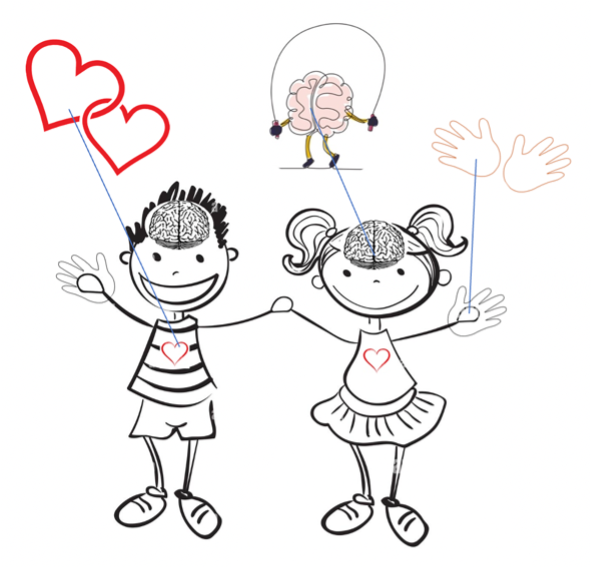
We are
Safe, Calm, Ready with our
Heart, Head, Hands.
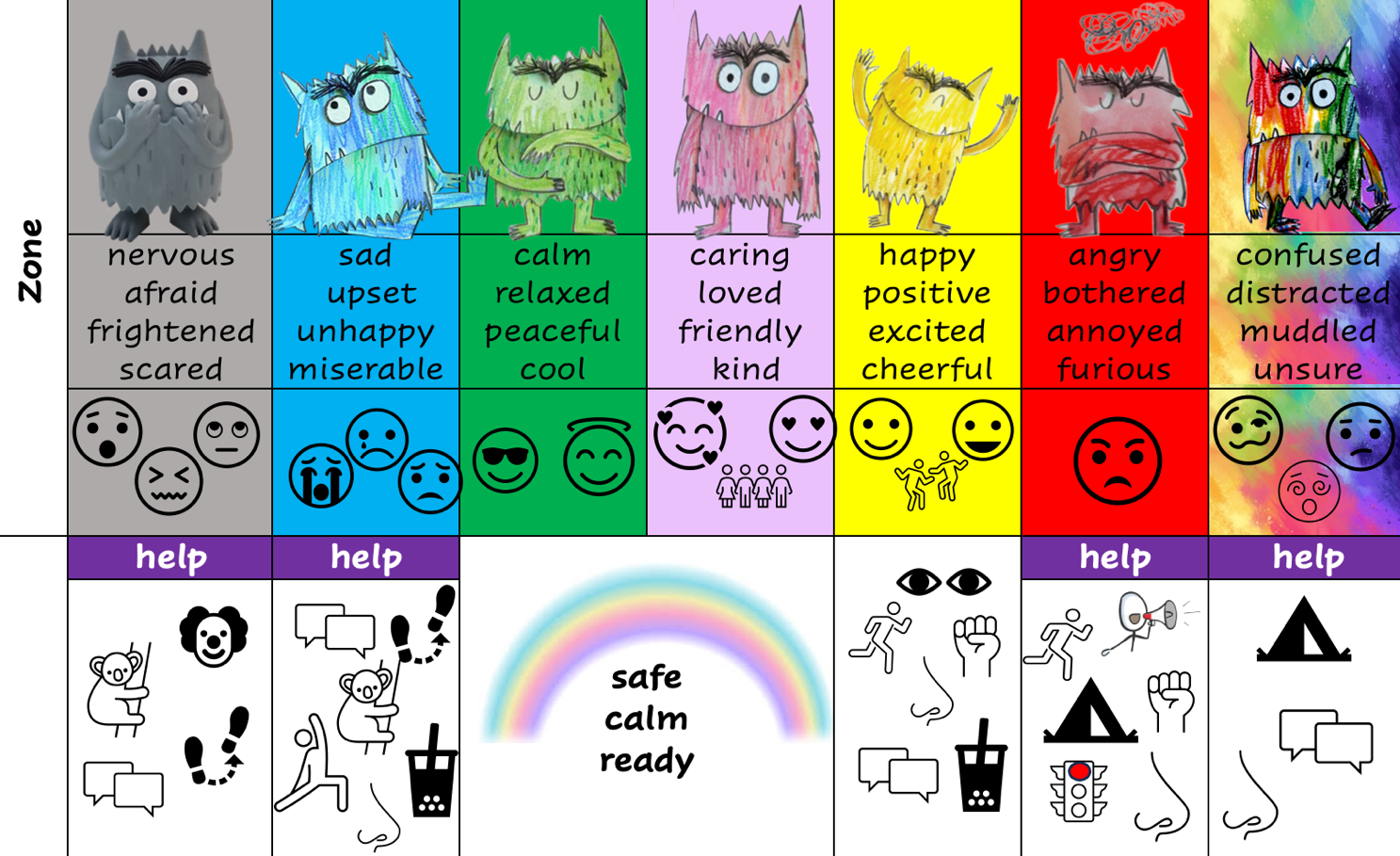
We talk openly and positively about emotions and support children to recognise and respond to them in ways that is helpful for them, using our Zones of Regulation. Our intention is to notice how children are feeling and to understand what that behaviour communicates to us to help them self-regulate and manage their own behaviour.